SPINAL DECOMPRESSION
is a scientifically supported solution for chronic pain
Lower back and neck pain are among the most common health problems of modern life. The causes are often associated with degenerative changes of the intervertebral discs, disc herniation or chronic mechanical stress on the spine.
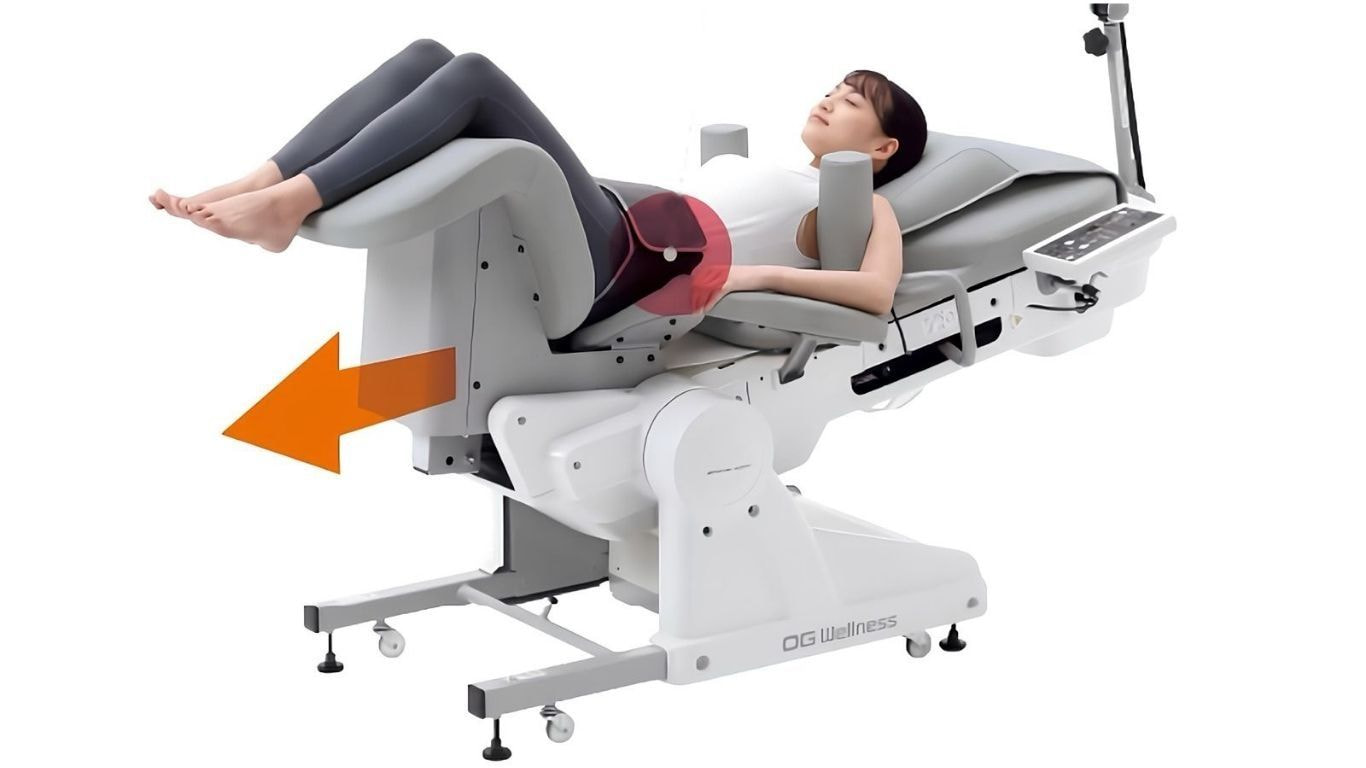
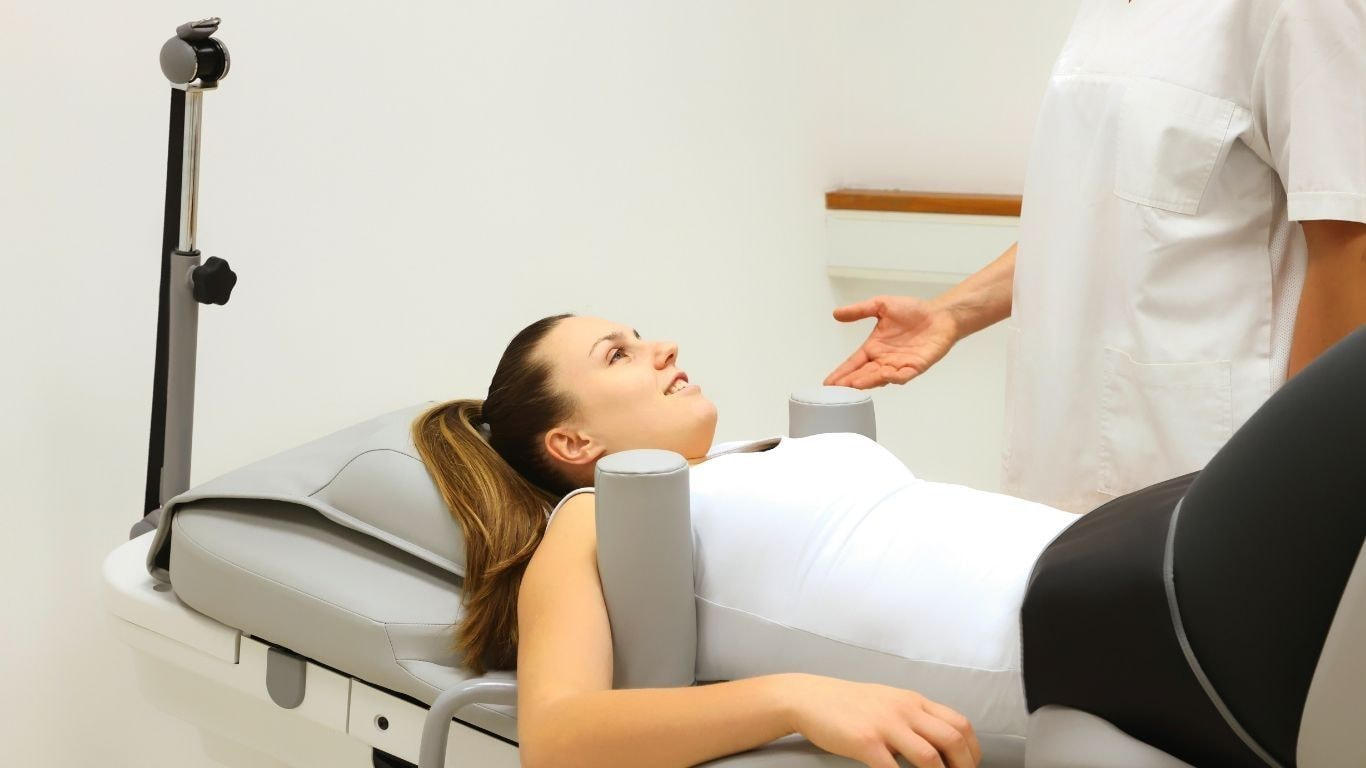
Among non-invasive therapeutic methods, spinal decompression has received increasing attention over the past decade. It is performed using computer-controlled decompression tables. The aim of this therapy is to reduce pressure within the intervertebral disc, improve microcirculation and create conditions that may support tissue regeneration.
It is important to understand that not all decompression tables are the same. Although most devices on the market use traction force to relieve the spine, they differ significantly in terms of control systems, precision and ergonomics.
These factors have a decisive impact on therapy effectiveness, patient comfort and treatment safety.
1. Technical precision and force control
The goal of decompression is to create negative intradiscal pressure, which may support retraction of herniated disc material and improve disc nutrition.
In this process, precise control of traction force is essential.
Less advanced and older devices use non-integrated static or mechanically fixed traction loads, which may lead to:
tissue overload,
uneven stretching,
reflex muscle spasm.
In contrast, modern tables such as Teknomex Platinum and OG Wellness La Sedia use computer-controlled integrated servo motors and a biofeedback system that monitors muscle tension in real time and adjusts traction force at millisecond intervals.
The result is highly precise and controlled decompression, supporting relaxation of the paravertebral muscles and the intended effect of reduced intradiscal pressure.
2. Individual adjustment and patient comfort
The effectiveness of therapy also depends on body position and patient comfort.
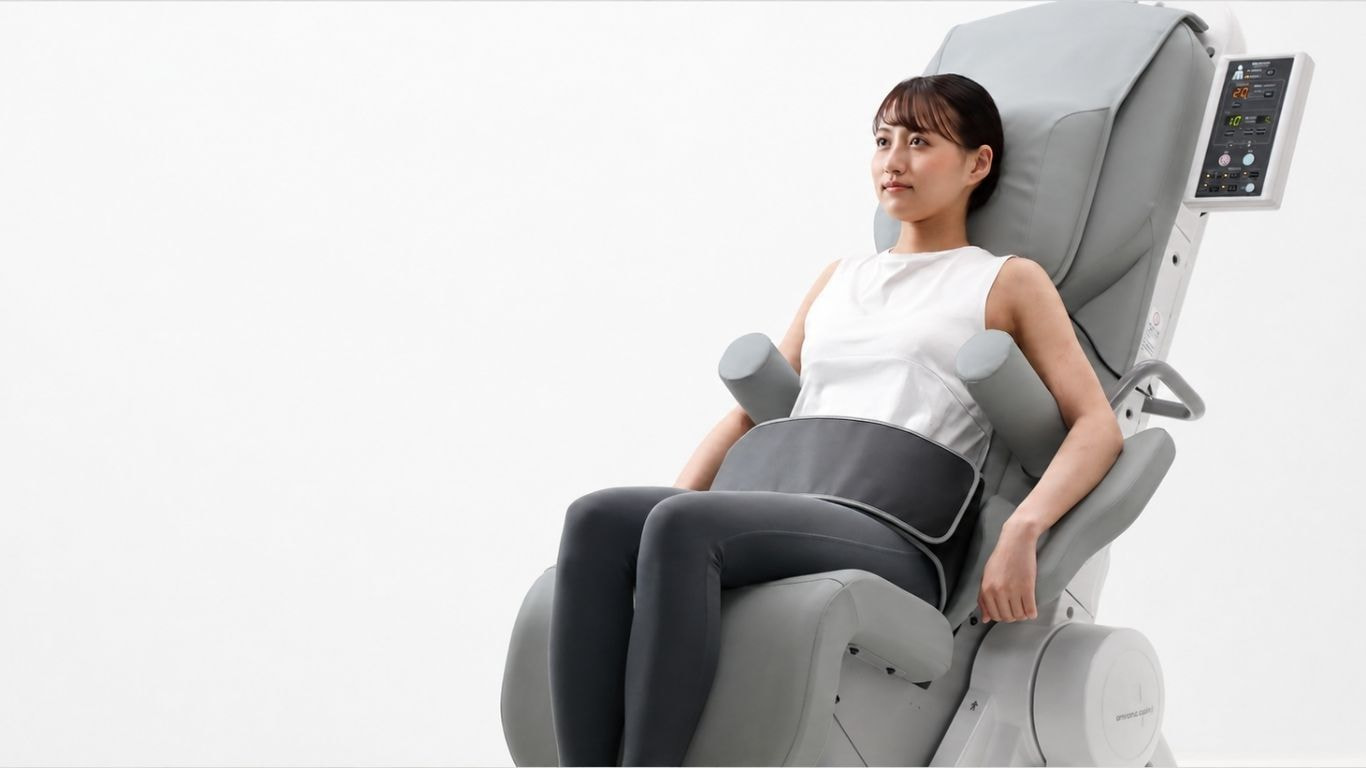
The OG Wellness La Sedia model enables decompression in a seated position, which can be suitable for patients experiencing acute pain or dizziness.
Its ergonomic design helps reduce muscle tension and enables gradual unloading without additional strain.
The Teknomex Platinum model enables multi-axis decompression, allowing simultaneous unloading of the lumbar or cervical segment with precise angular control (flexion/extension/rotation).
The system allows therapy to be programmed according to specific spinal segments (L4–L5, L5–S1, etc.), enabling the therapist to target a specific area of the spine.
This can be particularly beneficial in cases involving disc herniation, protrusion and degenerative changes.
3. Clinical effectiveness and results
Practical experience indicates that a combination of precise control, biomechanical adaptability and active monitoring can contribute to improved results in a shorter period of time.
Patients report:
faster reduction of pain,
improved mobility,
longer-lasting results without recurrence of symptoms.
The Teknomex Platinum and OG Wellness La Sedia systems therefore represent a high standard in modern spinal decompression, combining clinical effectiveness, comfort and safety while enabling therapists to provide precise, individualized and reproducible treatment for each patient.